


Everything Our Crops Drink
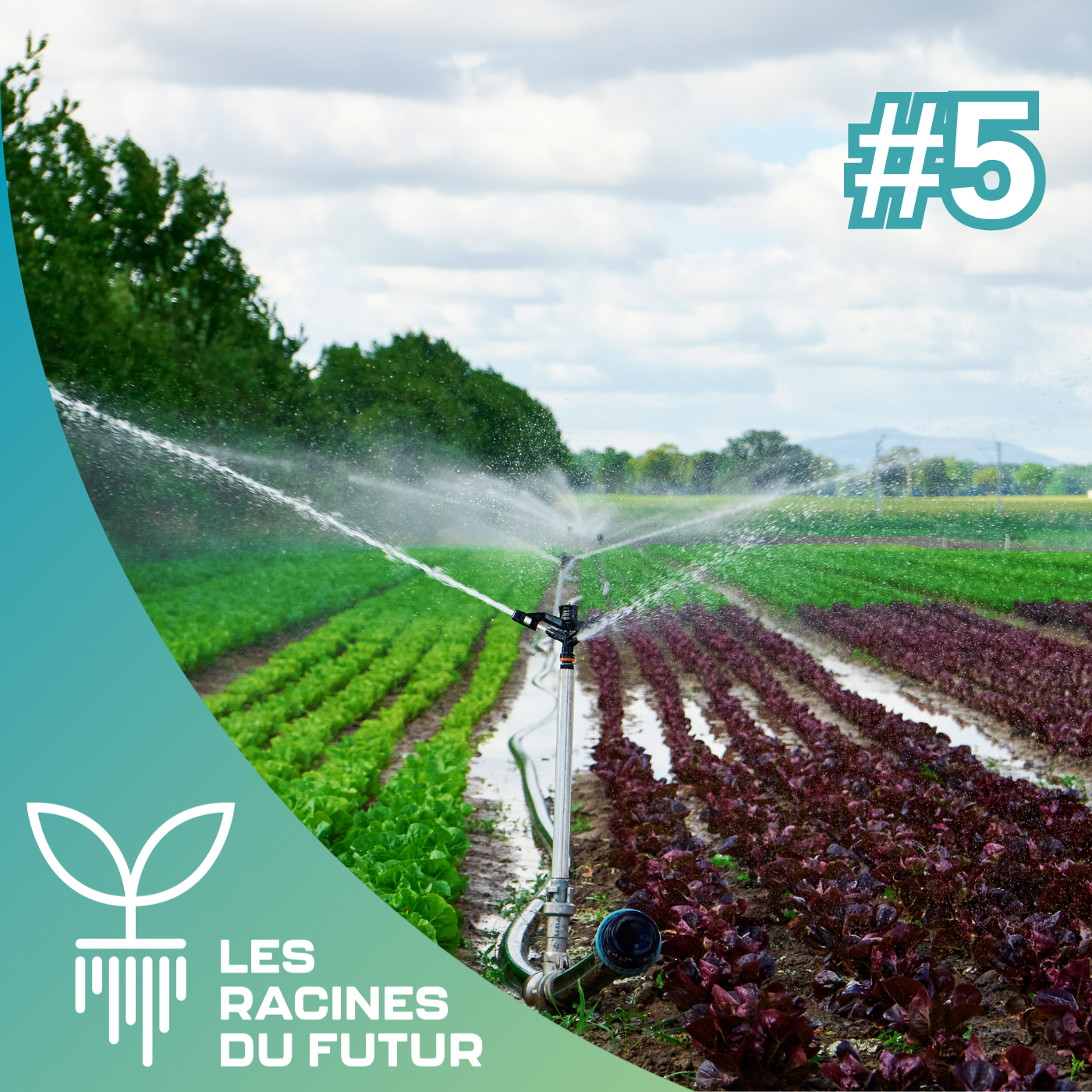




Arboriculture, vegetable farming, viticulture, horticulture: behind every specialized crop lies a relationship with water that is far more complex than it appears. Depending on the species, phenological stages, and cropping systems, water requirements vary considerably—and with them, irrigation strategies, the necessary infrastructure, and the flexibility to adapt to climate uncertainties.
As droughts become more frequent and water resources become an increasingly contested issue among agricultural, domestic, and industrial users, plant- Sectors s are being forced to fundamentally rethink their relationship with this vital resource. Anticipating, conserving, sharing, and innovating: there are many approaches, but the trade-offs are far from simple.
In...
Arboriculture, vegetable farming, viticulture, horticulture: behind every specialized crop lies a relationship with water that is far more complex than it appears. Depending on the species, phenological stages, and cropping systems, water requirements vary considerably—and with them, irrigation strategies, the necessary infrastructure, and the flexibility to adapt to climate uncertainties.
As droughts become more frequent and water resources become an increasingly contested issue among agricultural, domestic, and industrial users, plant- Sectors s are being forced to fundamentally rethink their relationship with this vital resource. Anticipating, conserving, sharing, and innovating: there are many approaches, but the trade-offs are far from simple.
In this episode, we take a comprehensive look at the current situation: What are the actual uses of water throughout the entire production chain? What infrastructure and practices currently ensure access to this resource? And above all, why has the water issue become, in just a few years, the top strategic concern for specialized plant- Sectors ?
To discuss this, we are joined by Maider Arregui, an engineer at BRL (Compagnie Nationale du Rhône et du Bas-Languedoc), and Thierry Moisy, President of the National Apple and Pear Association (ANPP)—two complementary perspectives: one focused on the collective management of water resources and the other representing a grassroots- sector directly affected by water shortages.